About RedBuoy
RedBuoy is built for simplicity, putting the focus on fishing instead of struggling with technology. Designed with the realities of a working boat in mind — no cell service, salt on the screens, and only two hands available.
Built for the Captain
Most fishing apps assume you have reliable internet and a crew. RedBuoy was written for someone who needs to log a catch while it's still on the rail — every interaction designed to be done with one hand.
GPS tracks your position. Offline maps keep you oriented. Your data stays on your device.
The Technology
RedBuoy runs on Windows desktops and laptops, with an Android tablet version in development. It uses a local database — your catch data, GPS tracks, and notes never leave your device. The map uses custom rendered tiles cached locally for offline use or OpenStreetMap while online. GPS data comes from NMEA 0183 devices over serial or UDP.
Behind the Buoy
The story of RedBuoy and the fishing family that shaped it.
I grew up in a fishing family on Prince Edward Island. My father still fishes commercially, and his boat — the Nathan D — was my grandfather's before that. I still try to get out a few times a year when the season allows.
RedBuoy started with a spreadsheet I built for my father years ago. He was using it to log his catches, but it was showing its age. I wanted something more robust — stat tracking, GPS integration, offline maps — without losing the simplicity. A computer on a working boat in poor weather needs to work with one hand, or it doesn't work at all.
So I built RedBuoy. It's feature-rich if you want it to be, but it can operate as a basic logger if that's all you need. It was written for one captain first, and everything else grew from there.
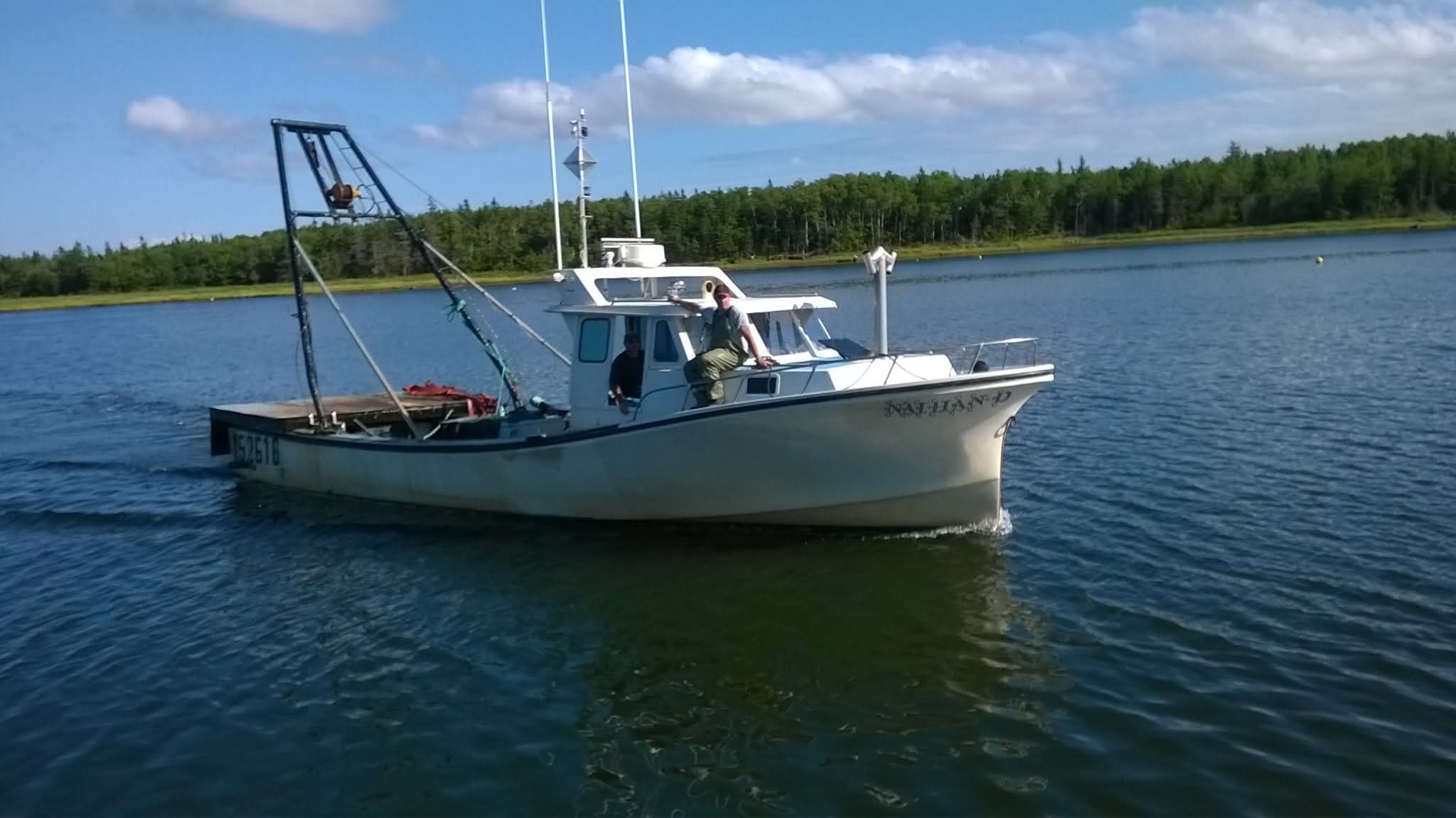
The Nathan D — named after me, and my grandfather's boat before it was my father's.
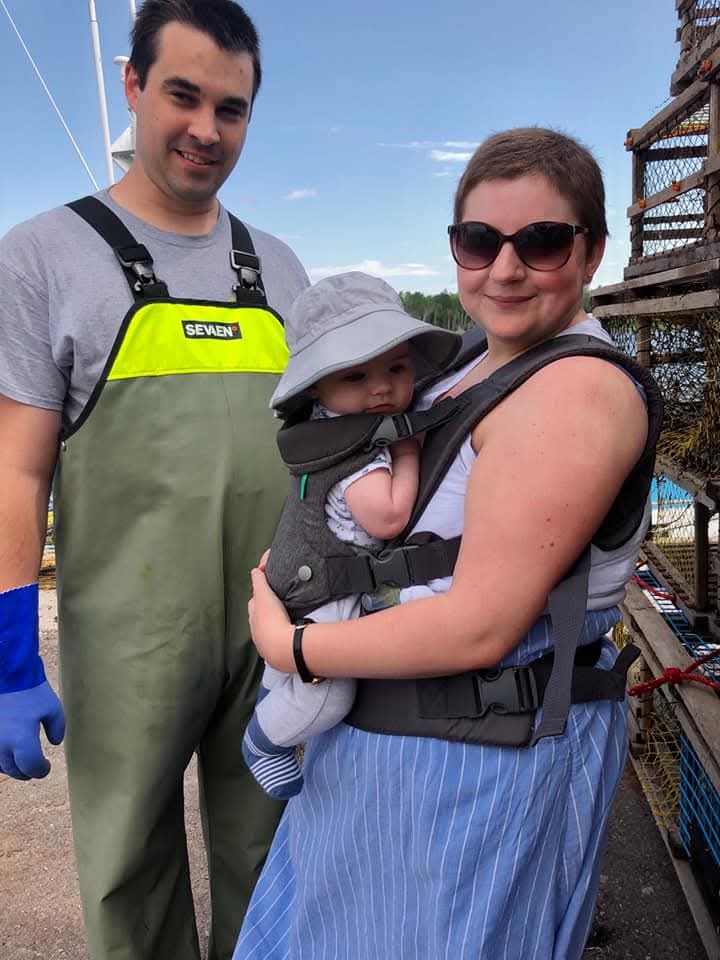
Myself and family among the traps — the fishery runs deep.

Setting day — boats heading out to drop gear for another season.